
Preparing for your first baby is exciting—but creating a baby registry can also feel overwhelming. With so many products available, it’s hard to know what you truly need and what can wait.
At ToBeBaby, we believe preparing for a baby shouldn’t feel stressful. We’ve created this guide to help expecting parents focus on practical essentials, understand what each item is used for, and make informed decisions with confidence. As we continue our own journey into parenthood, we’ll update this guide with honest insights and real-life experiences.
This guide is for:
- Expecting parents preparing for their first baby
- First-time moms and dads building a baby registry
- Friends and family shopping for baby shower gifts
- Parents who want to focus on the essentials before buying extras
1. Infant Car Seat

An infant car seat is one of the few items you’ll need before you can bring your baby home from the hospital. Choosing the right one isn’t about finding the most expensive model—it’s about finding one that fits your vehicle, meets current safety standards, and is easy to install correctly.
Why You’ll Need It
Most hospitals require parents to have a properly installed infant car seat before they’re discharged with their newborn. Beyond that first ride home, you’ll use it for pediatrician appointments, grocery trips, family visits, and everyday travel.
A properly fitted infant car seat also helps protect your baby by supporting their head, neck, and spine during every ride.
What to Look For
When comparing infant car seats, consider these features:
- Meets current U.S. safety standards
- Fits your vehicle properly
- Lightweight enough to carry comfortably
- Adjustable harness and head support
- Compatible with a stroller if you want a travel system
- Easy-to-clean fabrics
Common Mistakes to Avoid
Many first-time parents make these common mistakes:
- Buying a car seat without checking if it fits their vehicle.
- Installing the seat too loosely.
- Using bulky coats or blankets under the harness.
- Choosing a seat based only on appearance instead of safety and ease of use.
ToBeBaby Tip
If you’re unsure whether your car seat is installed correctly, many hospitals, fire departments, and certified Child Passenger Safety Technicians offer free installation checks. A five-minute inspection can give you confidence before your baby’s first ride home.
2. Stroller
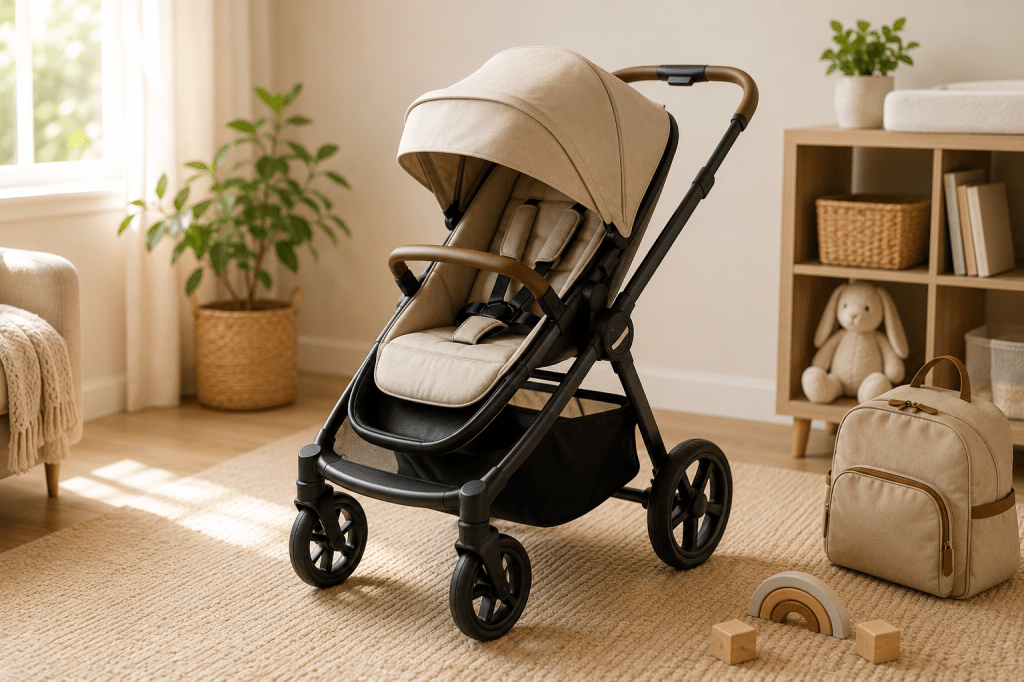
A stroller quickly becomes one of the most-used baby items you’ll own. From neighborhood walks and pediatrician appointments to grocery trips and vacations, the right stroller can make everyday life easier and more comfortable for both you and your baby.
Why You’ll Need It
As your baby grows, carrying them everywhere becomes more difficult. A stroller provides a safe, comfortable place for your baby to ride while giving parents a convenient way to transport diapers, bottles, toys, and other essentials.
If you enjoy walking outdoors or plan to travel often, a good stroller can make daily outings much less stressful.
What to Look For
When choosing a stroller, consider these features:
- Easy to fold and unfold with one hand
- Smooth ride with good suspension
- Large storage basket underneath
- Adjustable handlebar (especially if parents are different heights)
- Comfortable reclining seat
- Sun canopy with UPF protection
- Fits your lifestyle (city, travel, jogging, or everyday use)
- Compatible with your infant car seat if you want a travel system
Common Mistakes to Avoid
Many first-time parents make these common mistakes:
- Buying a stroller that’s too heavy for everyday use.
- Choosing a stroller without checking if it fits in their vehicle.
- Ignoring storage space underneath the seat.
- Buying based on appearance instead of ease of use.
- Forgetting to test how easily it folds and unfolds.
ToBeBaby Tip
Before buying a stroller, try folding and lifting it if you can. A stroller that feels easy to use in the store will likely make everyday outings much more enjoyable once your baby arrives.
3. Crib or Bassinet

A safe sleeping space is one of the most important purchases you’ll make before your baby arrives. Whether you choose a crib, a bassinet, or both, the goal is to provide your baby with a firm, safe place to sleep while making nighttime care easier for you.
Why You’ll Need It
Newborns sleep up to 16–17 hours a day, so having a dedicated sleep space is essential. Many parents use a bassinet beside their bed during the first few months for convenient nighttime feedings, then transition their baby to a crib as they grow.
The most important factor isn’t choosing the most expensive option—it’s choosing one that follows current safe sleep recommendations.
What to Look For
When choosing a crib or bassinet, consider these features:
- Meets current U.S. safety standards
- Firm, well-fitting mattress
- Breathable design with sturdy construction
- Adjustable mattress height (cribs)
- Easy access for nighttime feedings (bassinets)
- Appropriate weight and age limits
Common Mistakes to Avoid
Many first-time parents make these common mistakes:
- Using pillows, blankets, or stuffed animals in the sleep area.
- Choosing a mattress that doesn’t fit snugly.
- Continuing to use a bassinet after the baby exceeds the height or weight limit.
- Buying decorative crib accessories that aren’t safe for sleep.
ToBeBaby Tip
For the safest sleep, place your baby alone, on their back, on a firm mattress with a fitted sheet. Keep the sleep space free of blankets, pillows, crib bumpers, and stuffed animals.
4. Baby Monitor

A baby monitor gives parents peace of mind by helping them keep an eye (and ear) on their baby while they’re in another room. Whether you’re cooking dinner, folding laundry, or relaxing after bedtime, a good baby monitor lets you check on your little one without disturbing their sleep.
Why You’ll Need It
As your baby begins sleeping independently in a crib or nursery, a baby monitor allows you to hear or see them without constantly entering the room. Many modern monitors include video, night vision, temperature monitoring, and two-way audio, making it easier to respond when your baby needs you.
A baby monitor isn’t a substitute for safe sleep practices, but it can provide added reassurance throughout the day and night.
What to Look For
When choosing a baby monitor, consider these features:
- Clear video and audio quality
- Reliable connection with good range
- Night vision
- Two-way talk feature
- Temperature monitoring
- Long battery life for the parent unit
- Secure, encrypted connection (for Wi-Fi models)
Common Mistakes to Avoid
Many first-time parents make these common mistakes:
- Buying more features than they’ll actually use.
- Placing the monitor too close to the crib.
- Forgetting to secure cords well away from the baby’s reach.
- Relying only on Wi-Fi without considering connection reliability.
ToBeBaby Tip
Place the camera high enough to see the entire crib while keeping all cords well out of your baby’s reach. Test the viewing angle before your baby arrives so you’re not adjusting it during the first few nights.
5. Baby Carrier

A baby carrier allows you to keep your baby close while keeping your hands free. Whether you’re doing household chores, shopping, traveling, or simply comforting a fussy newborn, a comfortable carrier can make everyday life much easier.
Why You’ll Need It
Many babies feel calm and secure when they’re held close to a parent. A baby carrier lets you comfort your baby while still being able to move around, making it especially useful during the newborn months.
It’s also a great alternative to a stroller in crowded places, on stairs, or during short outings.
What to Look For
When choosing a baby carrier, consider these features:
- Comfortable shoulder straps and waist support
- Adjustable fit for different caregivers
- Proper head and neck support for newborns
- Breathable, easy-to-clean fabric
- Ergonomic design that supports healthy hip development
- Suitable weight range for your baby’s age
Common Mistakes to Avoid
Many first-time parents make these common mistakes:
- Choosing a carrier without adjusting it properly.
- Wearing the baby too low on the body.
- Not checking that the baby’s face remains visible and unobstructed.
- Using a carrier before the baby meets the recommended age or weight.
ToBeBaby Tip
Remember the “close enough to kiss” rule. Your baby’s head should be high on your chest, close enough that you can easily kiss the top of their head while ensuring their face remains visible and their airway stays clear.
6. Diaper Bag

A well-organized diaper bag helps you stay prepared whenever you leave the house with your baby. From quick errands to day trips, having your essentials in one place makes outings less stressful and more enjoyable.
Why You’ll Need It
Babies often need diaper changes, feedings, and clean clothes when you’re away from home. A diaper bag keeps everything organized and within easy reach, helping you handle unexpected messes or delays without feeling unprepared.
A good diaper bag isn’t just for diapers—it’s your mobile baby station.
What to Look For
When choosing a diaper bag, consider these features:
- Spacious interior with multiple compartments
- Insulated bottle pockets
- Comfortable shoulder straps or backpack design
- Easy-to-clean, water-resistant material
- Included changing pad
- Wide opening for easy access
- Lightweight but durable construction
Common Mistakes to Avoid
Many first-time parents make these common mistakes:
- Choosing a bag that’s too small for daily essentials.
- Overpacking unnecessary items.
- Buying a bag that’s uncomfortable to carry for long periods.
- Forgetting to restock supplies after each outing.
ToBeBaby Tip
Keep your diaper bag packed and ready near the front door. After every outing, replace any diapers, wipes, snacks, or spare clothes you’ve used so you’re always ready for the next trip.
7. Baby Bottles

Even if you plan to exclusively breastfeed, having a few baby bottles on hand can make feeding more flexible. They can be useful for expressed breast milk, formula, or letting another caregiver help with feedings.
Why You’ll Need It
Many parents are surprised by how often bottles come in handy. Whether you’re pumping, supplementing with formula, or simply taking a short break while your partner feeds the baby, a few quality bottles make life much easier.
You don’t need dozens of bottles before your baby arrives. It’s often better to start with a few and see which style your baby prefers.
What to Look For
Choose bottles that are:
- Easy to clean
- Comfortable to hold
- Available in different nipple flow sizes
- Compatible with your breast pump (if pumping)
- Made from BPA-free materials
- Designed to reduce air intake (anti-colic features)
Common Mistakes to Avoid
Avoid these common mistakes:
- Buying too many bottles before knowing what your baby likes.
- Purchasing only one nipple flow size.
- Ignoring cleaning supplies like a bottle brush and drying rack.
- Assuming the most expensive bottle is automatically the best.
ToBeBaby Tip
Start with 4–6 bottles from one trusted brand. If your baby feeds well from them, you can always buy more later. This saves money and prevents ending up with bottles your baby refuses.
8. Bottle Brush and Drying Rack

A bottle brush and drying rack make it easier to clean and organize bottles, nipples, caps, and pump parts after each use.
Why You’ll Need It
Feeding items need to be taken apart, washed thoroughly, and allowed to air-dry completely. A dedicated brush reaches inside bottles, while a drying rack keeps clean parts together and away from dirty kitchen surfaces.
What to Look For
- A brush that fits inside your bottles
- A separate nipple-cleaning tip
- An easy-to-clean drying rack
- Enough space for bottles and small parts
- Dishwasher-safe materials
Common Mistakes to Avoid
- Washing bottles directly in the kitchen sink
- Drying parts with a used dish towel
- Reassembling bottles before every part is completely dry
- Using the bottle brush for regular dishes
ToBeBaby Tip
You do not necessarily need an electric sterilizer. Careful washing may be enough for older, healthy babies, but daily sanitizing is especially important for babies under 2 months, premature babies, or babies with weakened immune systems.
9. Swaddle Blankets
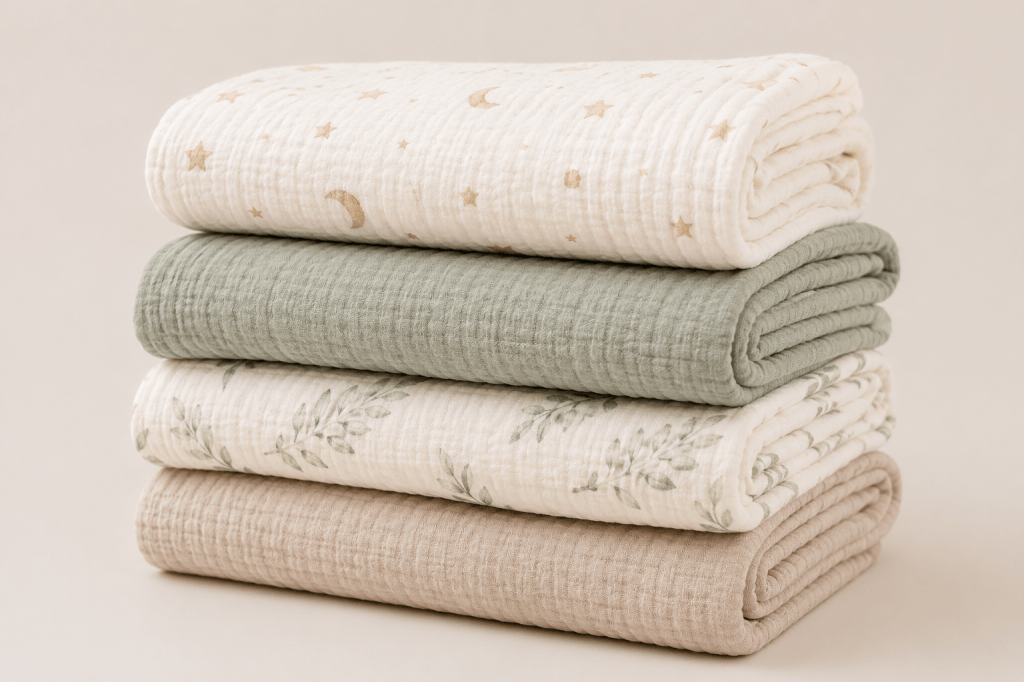
Swaddle blankets are designed to help newborns feel safe and secure by recreating the snug feeling of the womb. Many babies sleep more peacefully when swaddled during their first few months, making swaddles one of the most commonly used newborn essentials.
While not every baby enjoys being swaddled, having a few quality swaddles on hand can make naps, bedtime, and soothing your baby much easier.
Why You’ll Need It
Swaddling may help calm a fussy newborn and reduce the startle (Moro) reflex that often wakes babies during sleep. It can also help your baby feel more secure while adjusting to life outside the womb.
Keep in mind that every baby is different. Some love being swaddled, while others may prefer having their arms free.
What to Look For
When choosing swaddle blankets, consider these features:
- Soft, breathable fabrics such as cotton, muslin, or bamboo.
- Lightweight material that helps prevent overheating.
- Easy-to-use wrap or zip-up designs.
- Enough room to allow healthy hip movement.
- Machine-washable fabric for easy cleaning.
Common Mistakes to Avoid
Many first-time parents make these common mistakes:
- Swaddling too tightly around the baby’s hips or legs.
- Using thick blankets that may cause overheating.
- Continuing to swaddle after the baby begins showing signs of rolling over.
- Covering the baby’s face or allowing loose fabric near the mouth and nose.
ToBeBaby Tip
Have 3–5 swaddle blankets ready before your baby arrives. Newborns often need several swaddles throughout the day due to spit-up or diaper leaks, so having extras will make those first weeks much easier.
10. Breast Pump
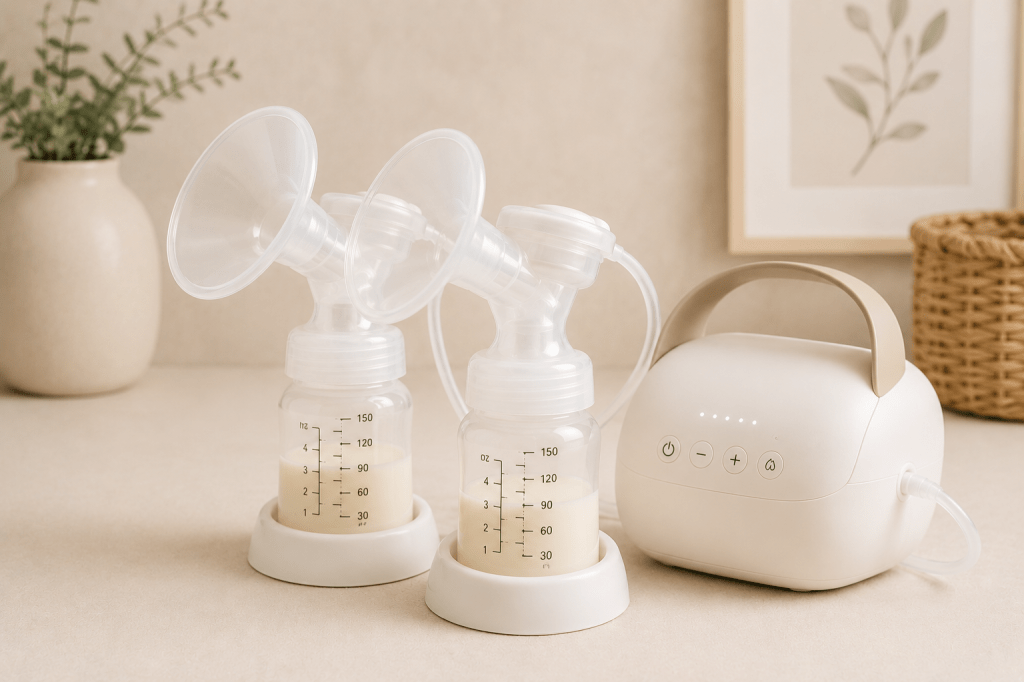
A breast pump allows you to express and store milk for later feedings. It can be helpful when returning to work, sharing feeding responsibilities, building a small milk supply, or relieving breast fullness.
Not every parent needs to pump regularly, but having access to one can provide flexibility during the first months.
Why You’ll Need It
A breast pump lets another caregiver feed your baby when you are resting or away. It may also help maintain milk production when your baby cannot nurse directly or when you miss a feeding.
What to Look For
When choosing a breast pump, consider:
- Comfortable, correctly sized breast shields
- Adjustable suction and speed settings
- Easy-to-clean parts
- Rechargeable or portable operation
- Quiet performance
- Replacement parts that are easy to find
- A double-pumping option if you expect to pump frequently
Common Mistakes to Avoid
- Using breast shields that do not fit correctly
- Starting with suction that is too strong
- Buying many accessories before knowing your routine
- Forgetting to wash and fully dry pump parts
- Expecting every pumping session to produce the same amount
ToBeBaby Tip
Check whether your health insurance provides a breast pump before purchasing one. Start with the basic supplies, then add extra bottles or accessories once you understand how often you will pump.
11. Burp Cloths
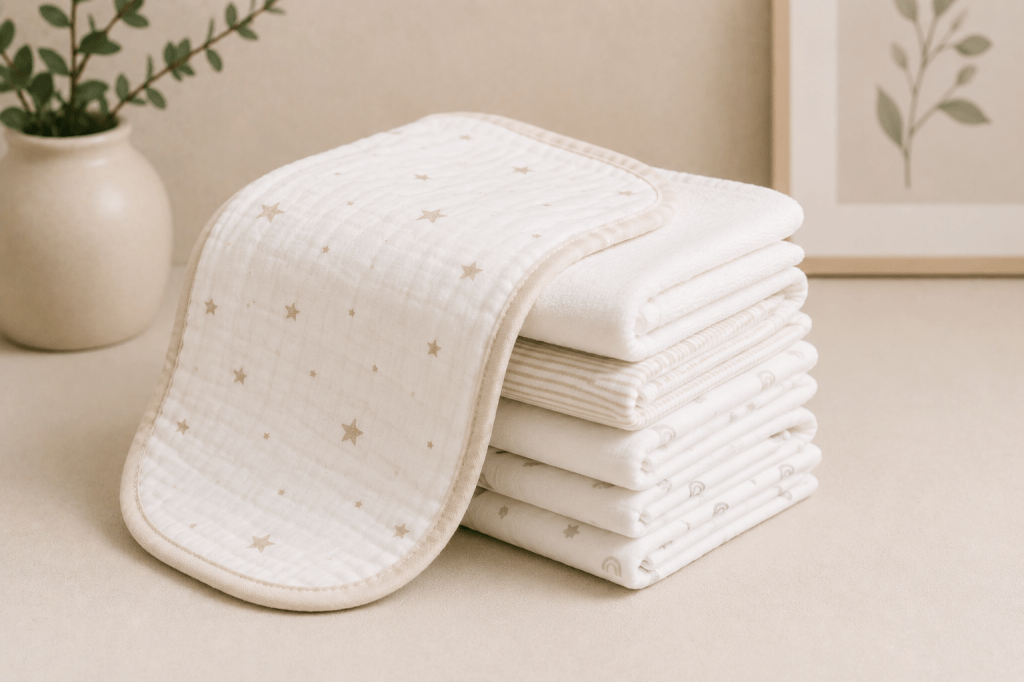
Burp cloths help protect your clothes, furniture, and bedding from spit-up and feeding messes. They are simple, affordable, and likely to be used several times throughout the day.
Why You’ll Need It
Newborns commonly spit up during or after feeding. Keeping a burp cloth nearby makes cleanup quicker and helps protect your shoulder while burping your baby.
They can also be used to wipe milk from your baby’s face or cover your lap during feedings.
What to Look For
When choosing burp cloths, consider:
- Soft, absorbent fabric
- A comfortable size that covers your shoulder
- Machine-washable material
- Durable stitching
- Fabric that remains soft after repeated washing
Common Mistakes to Avoid
- Buying cloths that are too small or thin
- Choosing decorative fabrics that are not absorbent
- Keeping too few available between laundry loads
- Using the same damp cloth repeatedly without washing it
ToBeBaby Tip
Start with 8–12 burp cloths. Keep a few near your feeding area, in the diaper bag, and beside your baby’s sleeping space so one is always within reach.
12. Diapers

Diapers are one of the most frequently used baby essentials. Newborns may need several diaper changes throughout the day and night, so having enough supplies ready before your baby arrives can make the first weeks much easier.
Why You’ll Need It
A clean, well-fitting diaper helps keep your baby comfortable and protects their skin from prolonged moisture. You will use diapers at home, during outings, and throughout the night.
What to Look For
When choosing diapers, consider:
- A comfortable and secure fit
- Good absorbency
- Soft materials for sensitive skin
- A wetness indicator for newborn sizes
- Reliable leak protection
- Easy-to-use fasteners
Common Mistakes to Avoid
- Buying too many newborn-size diapers before knowing your baby’s size
- Choosing a diaper that leaves marks or gaps around the legs
- Waiting too long between changes
- Switching brands too quickly before checking the fit
- Stocking only one size
ToBeBaby Tip
Start with a small supply of newborn and size 1 diapers rather than buying large quantities. Babies grow quickly, and the brand that fits one baby well may not fit another.
13. Baby Wipes
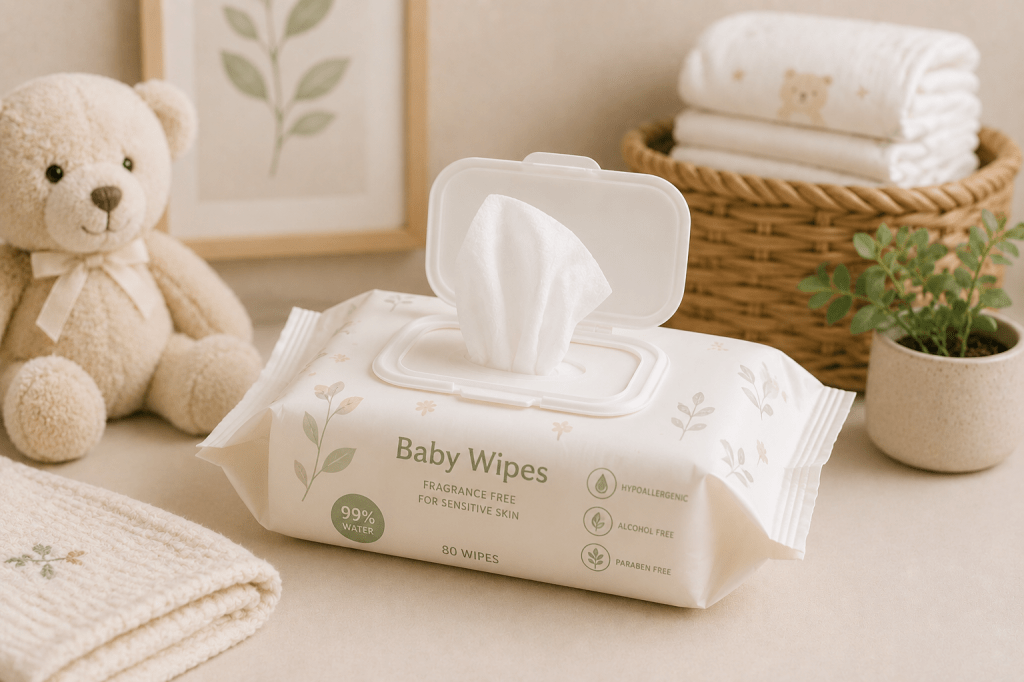
Baby wipes make diaper changes quicker and easier, especially when you are away from home. They are useful for cleaning your baby’s diaper area, hands, and small everyday messes.
Why You’ll Need It
Newborns may need frequent diaper changes throughout the day and night. Keeping wipes near your changing area and inside your diaper bag helps you stay prepared wherever you are.
What to Look For
When choosing baby wipes, consider:
- Soft, durable material
- Fragrance-free options for sensitive skin
- Simple ingredients
- Enough moisture for gentle cleaning
- Packaging that closes securely
- Wipes that pull out one at a time
Common Mistakes to Avoid
- Buying a large supply before knowing how your baby’s skin reacts
- Choosing heavily fragranced wipes for sensitive skin
- Leaving the package open and allowing the wipes to dry out
- Rubbing the skin too firmly
- Flushing wipes down the toilet unless the manufacturer and your local sewer guidance specifically allow it
ToBeBaby Tip
Start with a small package of fragrance-free wipes. Once you know they work well for your baby’s skin, you can purchase larger boxes and keep one pack at each changing station and in your diaper bag.
14. Changing Pad

A changing pad creates a clean, comfortable place for diaper changes at home. It can be placed on top of a dresser or changing table and helps protect the surface from leaks and messes.
Why You’ll Need It
Newborns need frequent diaper changes, so having a dedicated changing area can make the process quicker and more organized. A padded, wipeable surface also helps keep your baby comfortable during each change.
What to Look For
When choosing a changing pad, consider:
- A wipe-clean or waterproof surface
- Raised sides for added support
- A secure, non-slip base
- A size that fits your dresser or changing table
- Easy-to-remove covers, if the pad uses them
- A safety strap if included by the manufacturer
Common Mistakes to Avoid
- Leaving your baby unattended, even for a moment
- Placing the pad on a surface that is too small or unstable
- Keeping creams, wipes, or other items within your baby’s reach
- Choosing a fabric-only pad that is difficult to clean
- Forgetting to secure the pad as directed
ToBeBaby Tip
Keep diapers, wipes, diaper cream, and clean clothes within your reach before placing your baby on the changing pad. Always keep one hand on your baby during changes.
15. Baby Bathtub
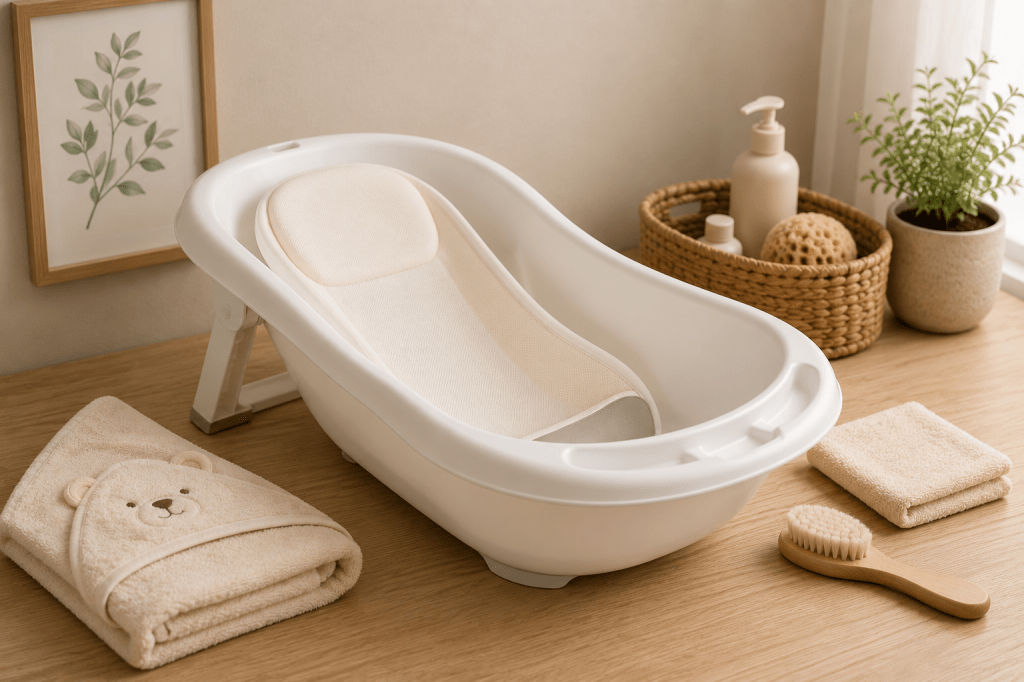
A baby bathtub provides a safe, supportive place to bathe your newborn before they’re ready for a regular bathtub. It helps make bath time easier while giving your baby extra support during those first months.
Bath time isn’t just about keeping your baby clean—it’s also a wonderful opportunity to bond and establish a calming bedtime routine.
Why You’ll Need It
Newborns don’t need daily baths, but having a dedicated baby bathtub makes bathing much safer and more comfortable. Most are designed to support your baby’s head and body while reducing the risk of slipping.
Many models can also grow with your baby, offering different positions for newborns and older infants.
What to Look For
When choosing a baby bathtub, consider:
- A non-slip surface
- Newborn support or sling
- Lightweight yet sturdy construction
- Easy-to-drain design
- Compact storage if space is limited
- Materials that are easy to clean and dry
Common Mistakes to Avoid
- Filling the tub with too much water
- Leaving your baby unattended, even for a second
- Using water that’s too hot (around 100°F / 38°C is generally recommended)
- Forgetting to gather towels and bath supplies before starting
- Choosing a bathtub that doesn’t fit your sink or bathtub securely
ToBeBaby Tip
Have a soft hooded towel, gentle baby wash, and washcloth within arm’s reach before you begin. Most newborns only need a bath 2–3 times per week, as frequent bathing can dry out their delicate skin.
16. Hooded Towels & Washcloths

Soft hooded towels and baby washcloths make bath time safer and more comfortable by helping keep your baby warm as soon as they come out of the bath. They’re gentle on delicate skin and become everyday essentials during the newborn stage.
Why You’ll Need It
Babies lose body heat quickly after a bath. A hooded towel helps keep your baby’s head warm while drying them off, and soft washcloths are gentle enough for washing their face, body, and tiny skin folds.
Having several on hand also makes laundry days much easier.
What to Look For
When choosing hooded towels and washcloths, consider:
- Soft, highly absorbent fabric
- Gentle material for sensitive skin
- A generously sized hooded towel that grows with your baby
- Durable stitching for repeated washing
- Machine-washable materials
- Quick-drying fabric
Common Mistakes to Avoid
- Buying towels that are too small
- Choosing rough fabrics that may irritate sensitive skin
- Using heavily scented detergents if your baby has sensitive skin
- Keeping only one towel, making laundry inconvenient
- Rubbing your baby’s skin too vigorously instead of gently patting dry
ToBeBaby Tip
Start with 2–3 hooded towels and 6–10 soft washcloths. Choose neutral, absorbent cotton or bamboo fabrics that stay soft after frequent washing—they’ll likely become part of your daily routine during the first year.
17. Baby Shampoo & Body Wash

A gentle baby shampoo and body wash helps keep your baby’s skin and hair clean without stripping away natural moisture. Since newborn skin is delicate, choosing a mild, tear-free formula can make bath time more comfortable for both you and your baby.
Why You’ll Need It
Newborns don’t require daily baths, but when bath time comes, a gentle cleanser is all you need to wash away milk residue, spit-up, sweat, and everyday dirt. Many baby products combine shampoo and body wash into one bottle, making bath time simple and convenient.
What to Look For
When choosing a baby shampoo and body wash, consider:
- Tear-free formula
- Fragrance-free or lightly scented options
- Gentle ingredients made for sensitive skin
- Pediatrician- or dermatologist-tested formulas
- Easy-to-use pump bottle
- No harsh dyes or unnecessary additives
Common Mistakes to Avoid
- Using regular adult shampoo or body wash
- Applying too much soap during every bath
- Choosing products with strong fragrances if your baby has sensitive skin
- Getting soap into your baby’s eyes, even with tear-free formulas
- Trying multiple products at once if your baby develops skin irritation
ToBeBaby Tip
A little goes a long way. One bottle of gentle baby shampoo and body wash can last for months since newborns only need a small amount during each bath. If your baby has eczema or particularly sensitive skin, ask your pediatrician for product recommendations before trying new brands.
18. Baby Lotion
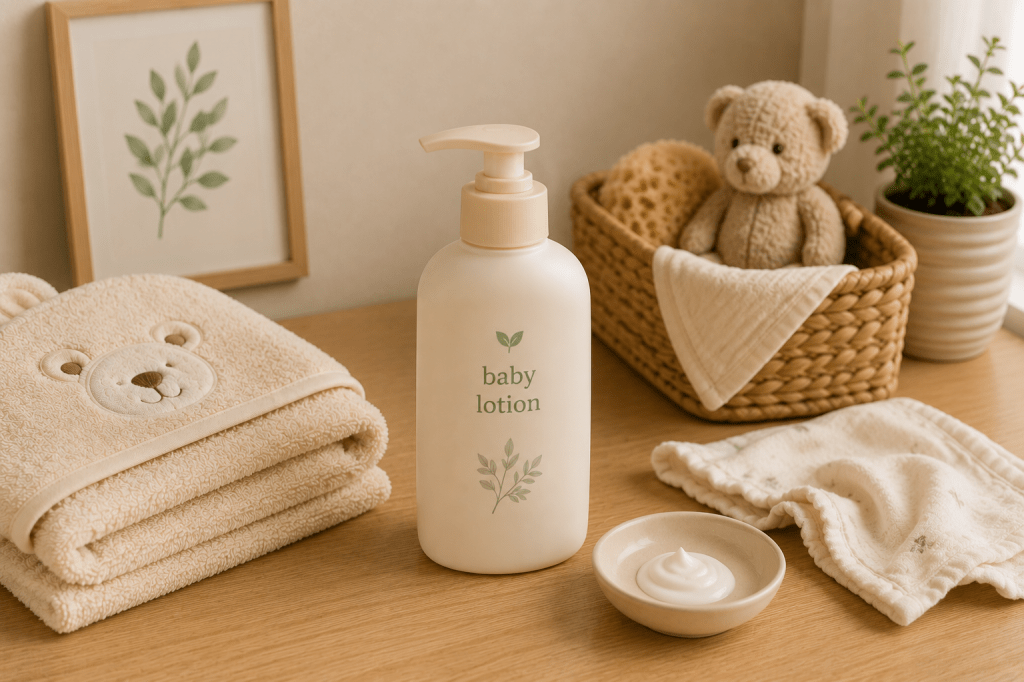
A gentle baby lotion helps keep your baby’s delicate skin soft and moisturized, especially after bath time or during dry weather. While not every baby needs lotion every day, it’s a helpful item to have on hand for keeping skin comfortable.
Why You’ll Need It
A baby’s skin is thinner and more sensitive than an adult’s, making it more prone to dryness. Applying a gentle moisturizer after bathing can help lock in moisture and soothe dry patches.
If your baby has naturally dry skin or eczema, your pediatrician may recommend using a fragrance-free moisturizer regularly.
What to Look For
When choosing a baby lotion, consider:
- Fragrance-free or lightly scented formulas
- Gentle ingredients designed for sensitive skin
- Pediatrician- or dermatologist-tested products
- A pump bottle for easy one-handed use
- Fast-absorbing, non-greasy formula
- No harsh dyes or unnecessary additives
Common Mistakes to Avoid
- Using adult lotions on newborn skin
- Applying lotion to broken or irritated skin without medical advice
- Choosing heavily fragranced products for sensitive skin
- Applying too much product at once
- Trying several new skincare products at the same time if irritation occurs
ToBeBaby Tip
A little lotion goes a long way. Apply it after bath time while your baby’s skin is still slightly damp to help lock in moisture. If your baby has eczema or persistent dry skin, speak with your pediatrician before choosing a moisturizer.
19. Baby Nail Clippers

Baby nail clippers help safely trim your baby’s tiny fingernails and toenails. Although newborn nails are soft, they can still be surprisingly sharp, and regular trimming helps prevent accidental scratches to your baby’s face.
Why You’ll Need It
Babies have little control over their hand movements and often scratch themselves during the first few months. Keeping their nails short helps protect their delicate skin and reduces the chance of accidental cuts.
Most parents find it easiest to trim nails while their baby is sleeping or calm after a bath.
What to Look For
When choosing baby nail clippers, consider:
- Rounded safety edges
- Comfortable, non-slip grip
- Small blades designed for tiny nails
- Easy-to-control design
- Durable stainless steel blades
- An optional built-in light or magnifier if preferred
Common Mistakes to Avoid
- Cutting nails while your baby is moving
- Trimming nails too short
- Pulling or peeling nails instead of clipping them
- Using adult nail clippers that are too large
- Forgetting to check both fingernails and toenails regularly
ToBeBaby Tip
The best time to trim your baby’s nails is after a bath or while they’re asleep, when the nails are softer and your baby is less likely to wiggle. Take your time and trim only a small amount at each session.
20. Baby Thermometer
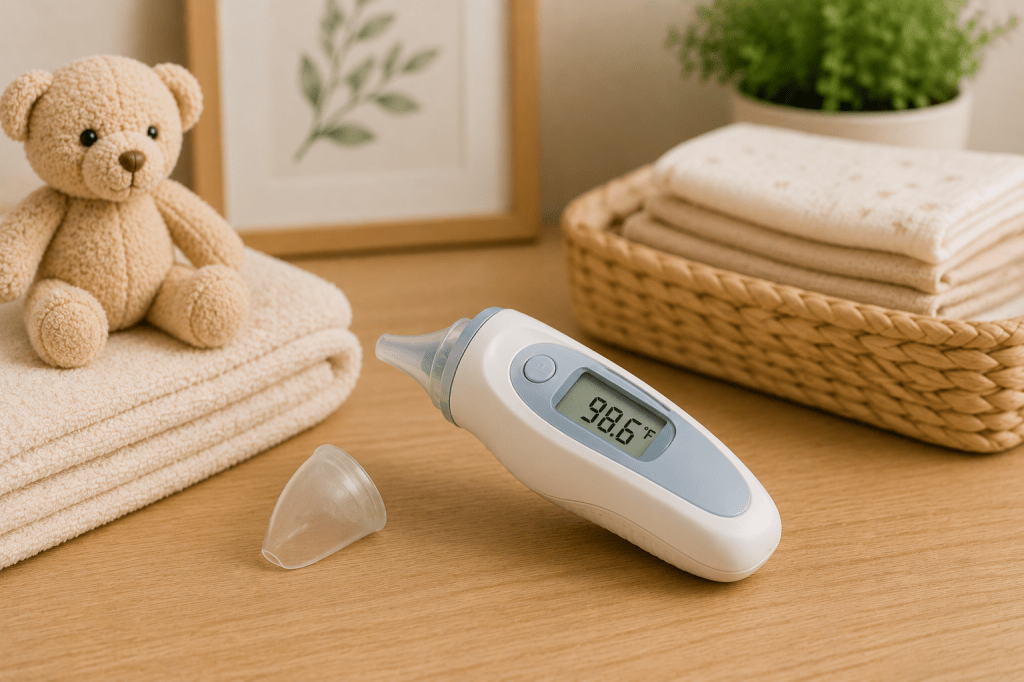
A reliable baby thermometer is an essential part of every nursery. Whether your baby feels warm, seems unusually fussy, or isn’t acting like themselves, being able to accurately check their temperature helps you decide what to do next.
Why You’ll Need It
Fevers can happen unexpectedly, and having a thermometer at home means you won’t have to make a late-night trip to the store when your baby is sick. For newborns and young infants, knowing their exact temperature is especially important because a fever may require prompt medical attention.
What to Look For
When choosing a baby thermometer, consider:
- Fast and accurate readings
- Easy-to-read digital display
- Age-appropriate use for newborns and infants
- Memory recall for the last reading
- Soft, flexible tip if using a rectal thermometer
- Automatic shut-off to save battery life
Common Mistakes to Avoid
- Relying on touch instead of taking a temperature
- Using an adult thermometer that’s difficult to read
- Not following the manufacturer’s instructions
- Forgetting to clean the thermometer after each use
- Assuming every forehead thermometer is equally accurate for newborns
ToBeBaby Tip
Keep a digital thermometer in your baby’s nursery before they’re born. It’s a small purchase that provides peace of mind. If your baby is under 3 months old and has a rectal temperature of 100.4°F (38°C) or higher, contact your pediatrician or seek medical care right away.
21. Nasal Aspirator

A nasal aspirator helps gently remove mucus from your baby’s nose when they are congested. Since newborns mainly breathe through their noses, even a small amount of congestion can make feeding and sleeping more difficult.
Why You’ll Need It
Babies cannot blow their noses, so a nasal aspirator can help clear blocked nasal passages during colds or dry weather. It is especially useful before feedings and bedtime, when easier breathing can help your baby feel more comfortable.
What to Look For
When choosing a nasal aspirator, consider:
- A soft tip designed for infants
- Gentle, controllable suction
- Parts that are easy to take apart and clean
- A clear collection chamber
- Comfortable grip
- Disposable filters if required by the design
Common Mistakes to Avoid
- Using too much suction
- Inserting the tip too far into the nostril
- Using the aspirator too frequently and irritating the nose
- Forgetting to wash and fully dry all parts after use
- Sharing the aspirator between children without proper cleaning
ToBeBaby Tip
Use saline drops first to help loosen thick mucus, then wait a short moment before gently suctioning. Clean the aspirator after every use and stop if your baby’s nose becomes irritated.
22. Saline Nasal Spray & Drops
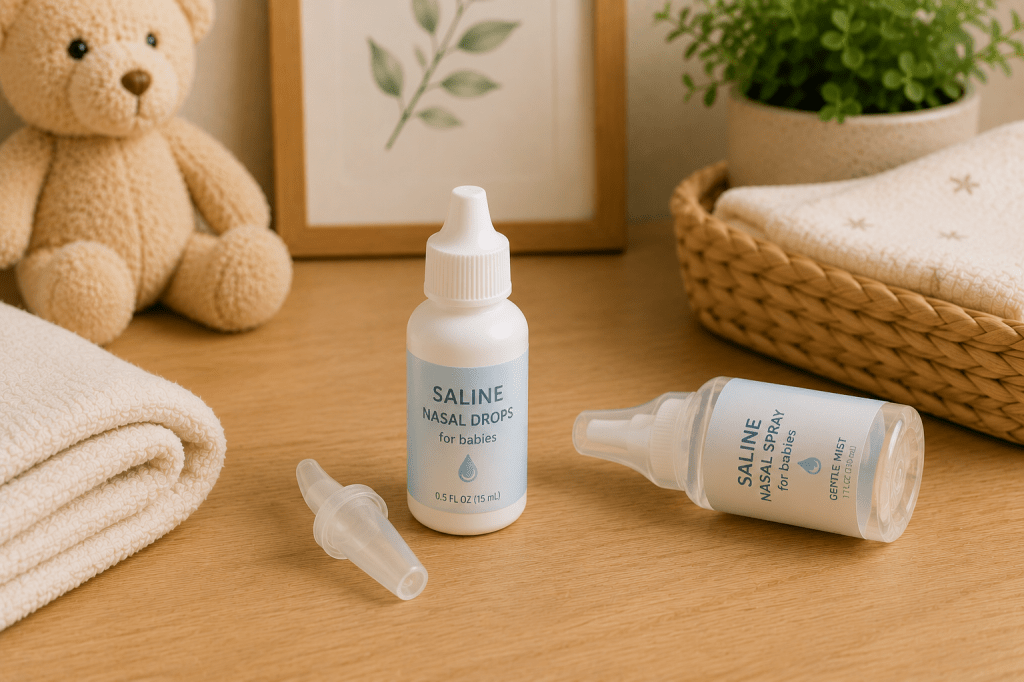
Saline nasal spray or drops help loosen thick mucus, making it easier to clear your baby’s nose with a nasal aspirator. Since saline contains only sterile saltwater, it’s a gentle, medication-free way to relieve nasal congestion.
Why You’ll Need It
Dry air, colds, or seasonal changes can cause your baby’s nose to become stuffy. A few drops of saline help soften dried mucus, making suction easier and more comfortable. Many parents find it especially helpful before feedings and bedtime.
What to Look For
When choosing saline nasal spray or drops, consider:
- Sterile saline with no medication
- Preservative-free formula if available
- Easy-to-use dropper or gentle spray bottle
- Products specifically labeled for babies
- Single-use or hygienic packaging
- Clear instructions for infant use
Common Mistakes to Avoid
- Confusing saline with medicated nasal sprays
- Using too much saline at one time
- Inserting the nozzle too far into your baby’s nose
- Sharing the bottle between children
- Forgetting to clean the nozzle after each use
ToBeBaby Tip
Place 2–3 saline drops into one nostril, wait about 30–60 seconds, then gently use a nasal aspirator to remove the loosened mucus. Repeat on the other side if needed. Saline is gentle enough to use whenever your baby has a stuffy nose, but if congestion lasts for several days or is accompanied by fever or difficulty breathing, contact your pediatrician.
23. Cool Mist Humidifier

A cool mist humidifier adds moisture to the air, helping keep your baby’s nose, throat, and skin from becoming too dry. It’s especially useful during cold and flu season or in dry climates where indoor air can cause congestion.
Why You’ll Need It
Dry air can make it harder for babies to breathe comfortably, especially if they’re congested. A cool mist humidifier helps add humidity to the room, which may ease stuffy noses, soothe dry throats, and help your baby sleep more comfortably.
It can also help reduce dry skin during the winter months.
What to Look For
When choosing a cool mist humidifier, consider:
- Cool mist operation (recommended for babies)
- Easy-to-clean water tank
- Quiet operation for nighttime use
- Adjustable mist output
- Automatic shut-off when the tank is empty
- A size appropriate for your nursery
Common Mistakes to Avoid
- Using a warm mist humidifier around young children
- Forgetting to clean the humidifier regularly
- Using tap water if the manufacturer recommends distilled water
- Running the humidifier continuously when the room is already humid
- Placing it too close to your baby’s crib
ToBeBaby Tip
Clean and dry your humidifier according to the manufacturer’s instructions to help prevent mold and bacteria buildup. Position it several feet away from the crib so the mist can circulate throughout the room without directly blowing on your baby.
24. Pacifiers
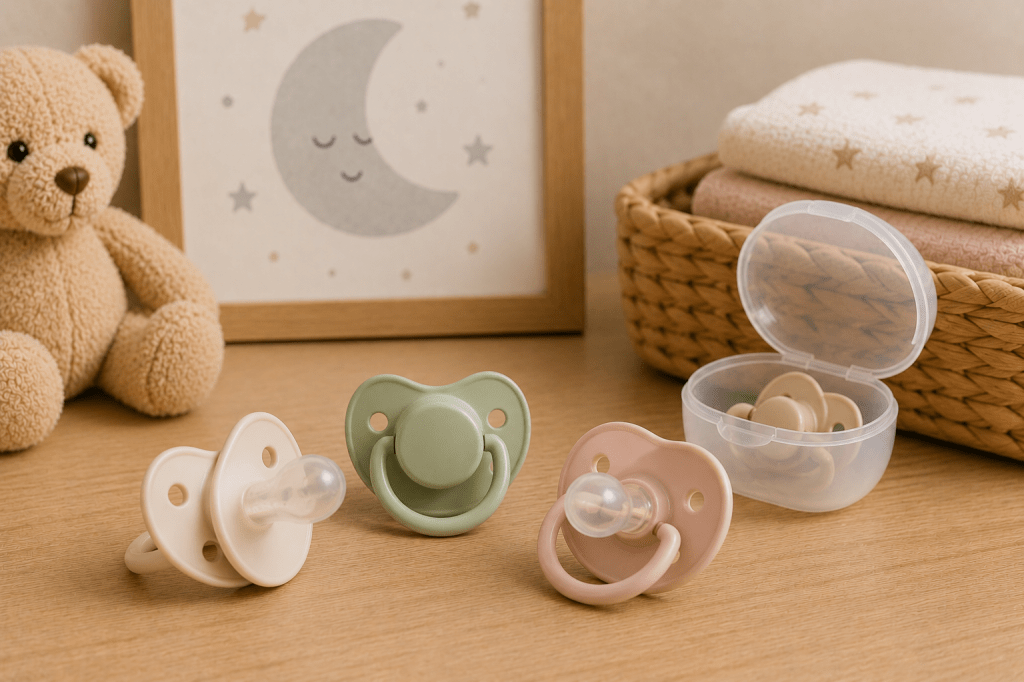
A pacifier can help soothe a fussy baby, satisfy their natural sucking reflex, and provide comfort between feedings. While not every baby will take one, many parents find pacifiers helpful during naps, bedtime, and car rides.
Why You’ll Need It
Many newborns have a strong instinct to suck even when they’re not hungry. A pacifier can help calm your baby, making it easier for them to settle down and fall asleep. Some research also suggests that offering a pacifier during sleep may help reduce the risk of Sudden Infant Death Syndrome (SIDS) once breastfeeding is well established, if you choose to breastfeed.
What to Look For
When choosing a pacifier, consider:
- One-piece construction for added safety
- BPA-free, food-grade silicone
- Age-appropriate size
- Ventilation holes in the shield
- Orthodontic or symmetrical nipple shape
- Easy to clean and sterilize
Common Mistakes to Avoid
- Attaching the pacifier with long cords or ribbons
- Dipping it in honey, sugar, or other sweeteners
- Continuing to use a pacifier with cracks or damage
- Forcing your baby to take a pacifier if they don’t want one
- Waiting too long to replace worn pacifiers
ToBeBaby Tip
Start with 2–4 pacifiers since every baby has different preferences. Keep a few extras in your diaper bag and nursery so you’re never searching for one when your baby needs comfort. If you’re breastfeeding, many experts recommend waiting until breastfeeding is well established before introducing a pacifier.
25. Baby Play Gym & Activity Mat

A baby play gym and activity mat provides a safe, comfortable place for your baby to play, explore, and develop important motor skills. From tummy time to reaching for toys, it’s a simple item that encourages learning through everyday play.
Why You’ll Need It
As your baby becomes more alert, they’ll spend more time awake and exploring their surroundings. A play gym offers a clean, cushioned space where they can safely practice tummy time, strengthen their neck and shoulder muscles, and develop hand-eye coordination by reaching for hanging toys.
Many babies use their activity mat daily during the first year.
What to Look For
When choosing a baby play gym, consider:
- A soft, well-padded play mat
- Detachable hanging toys
- High-contrast colors and textures for visual development
- Machine-washable fabrics
- Non-slip bottom for added stability
- A design that’s easy to fold and store
Common Mistakes to Avoid
- Leaving your baby unattended during play
- Using the play gym on elevated surfaces like beds or couches
- Skipping tummy time because your baby fusses at first
- Overloading the gym with too many toys
- Continuing to use the gym after your baby exceeds the recommended age or weight limits
ToBeBaby Tip
Start with just 3–5 minutes of tummy time a few times each day and gradually increase the duration as your baby gets stronger. Rotating the hanging toys every few days can also keep playtime fresh and encourage curiosity.
 ToBeBaby.com
Leave a comment